
9 Ways to Help Children Build Patience Through Turn-Taking
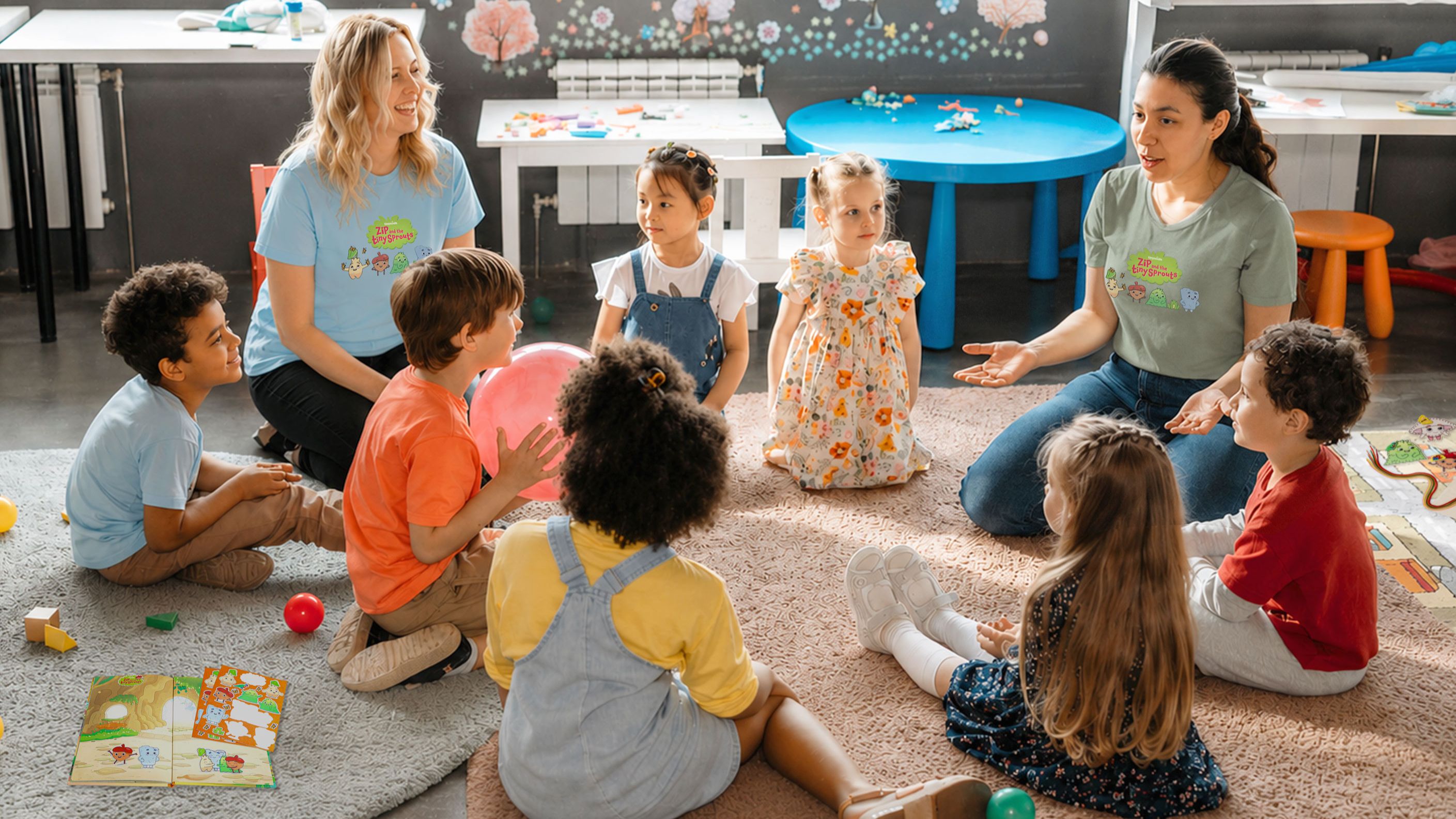
Waiting for a turn isn't always easy, especially for young children. Whether they're waiting to speak during a conversation, hoping for your attention, or lining up for the next turn on the swing, these everyday moments can feel like a big challenge.
But learning to wait is about much more than simply being patient. Turn-taking helps children develop important life skills such as self-regulation, emotional control, cooperation, communication, and empathy. As children practice waiting their turn, they learn to manage their impulses, respect others' needs, and navigate social situations with confidence.
Let's explore why turn-taking is important and discover nine simple ways you can help your child build patience in everyday life.
Why Is Turn-Taking Important for Children?
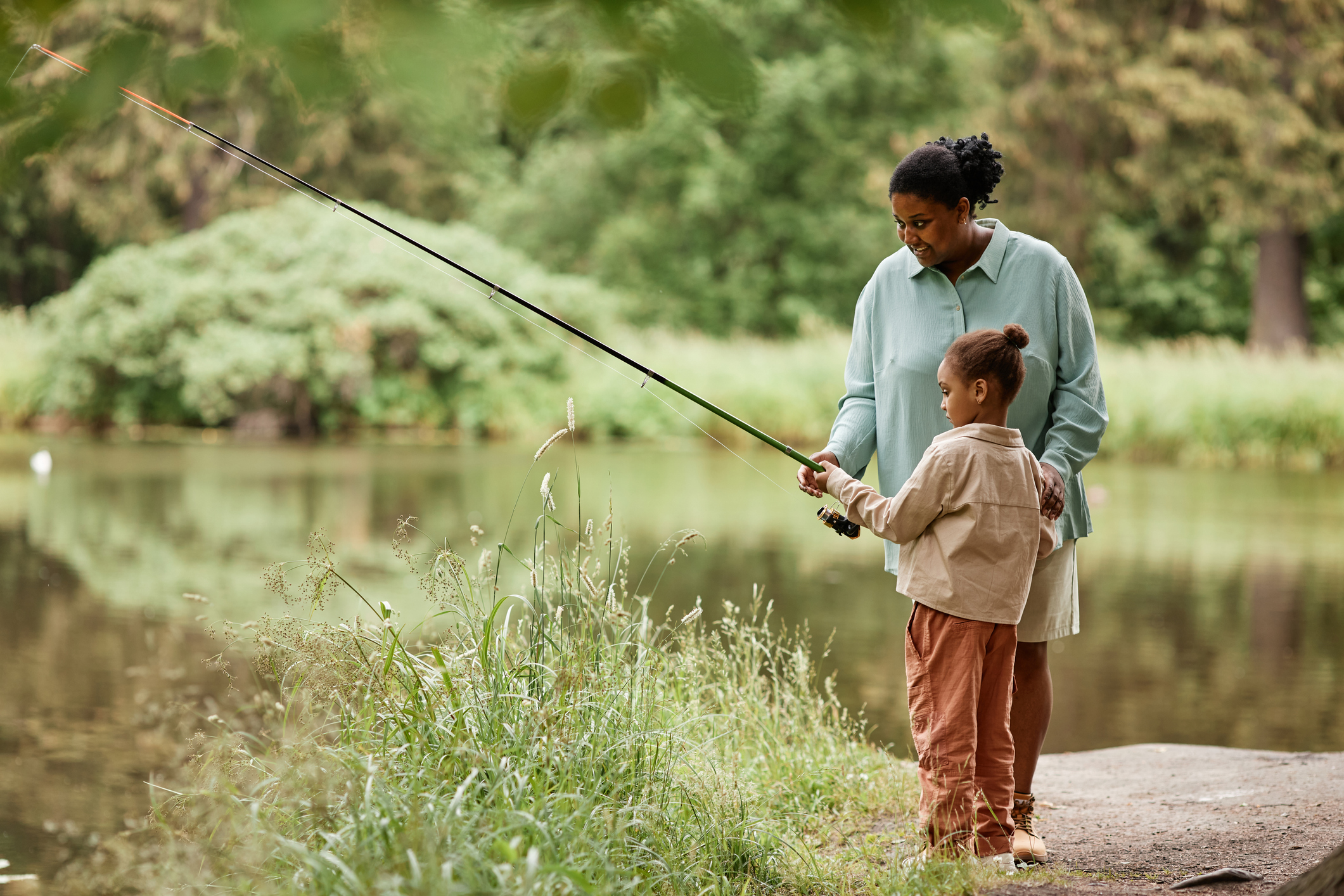
Turn-taking is a common part of childhood. From conversations and games to sharing toys and asking for help, children encounter countless opportunities to practice waiting.
Research suggests that learning to take turns supports children's developing ability to:
-
Regulate impulses and emotions
-
Cooperate with others
-
Respect personal boundaries
-
Build empathy and social awareness
In one study, five-year-old children who took turns during a block-building activity showed greater cooperation and sharing than children who completed the same activity without taking turns. Other research has found that toddlers who naturally engaged in more turn-taking during play were also more likely to display positive social behaviours, such as smiling and interacting warmly with their peers.
The good news? Everyday moments provide wonderful opportunities to help children strengthen these skills.
Helping Children Wait Their Turn in Conversation
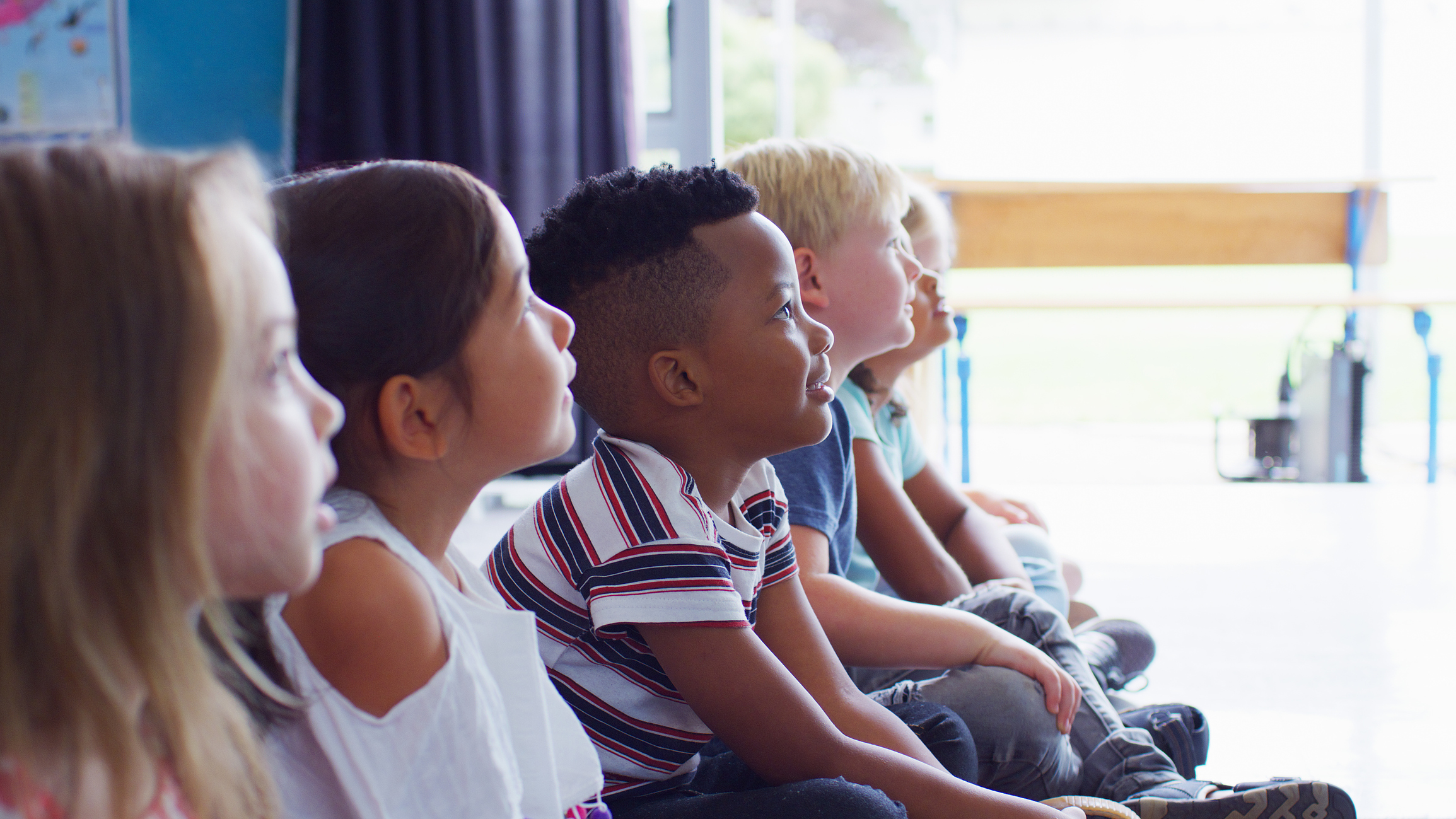
Conversations are often one of children's earliest experiences with turn-taking. Even infants begin learning the rhythm of conversation through interactions with caregivers, while toddlers and preschoolers are still developing the ability to wait before jumping in.
Here are three ways to encourage patience and turn-taking during conversations.
1. Encourage Active Listening
Help your child focus on what the other person is saying before they begin thinking about their own response. Waiting until someone has finished speaking teaches respect while strengthening listening and communication skills.
2. Use Visual Cues
Simple tools like a talking stick, a special object to hold, or even a hand signal can help children understand whose turn it is to speak.
3. Teach Polite Ways to Join In
Instead of interrupting, teach children simple phrases such as:
-
"May I say something?"
-
"Can I share my idea?"
Giving children the words to express themselves respectfully can help reduce impulsive interruptions over time.
Helping Children Wait for Attention
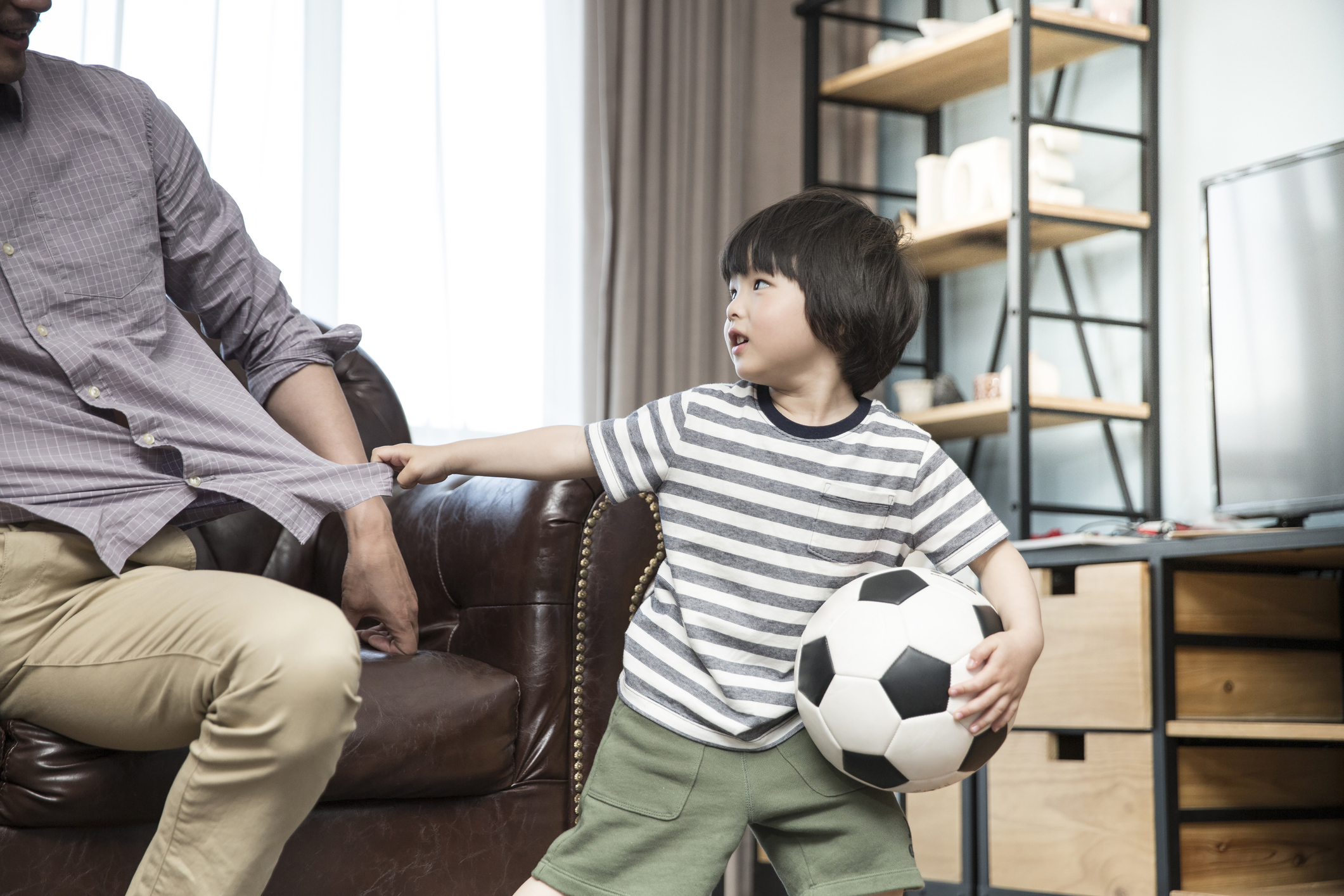
Parents and caregivers often balance many responsibilities throughout the day. While you're helping a sibling, cooking dinner, or finishing a task, your child may find waiting especially difficult.
These strategies can help children feel acknowledged while practicing patience.
4. Offer Reassurance
Let your child know you've noticed them. A simple phrase such as:
"I see you waiting patiently. I'll be with you as soon as I finish."
This can help reduce frustration while reassuring them that their turn is coming.
5. Set Clear Expectations
Children often cope better with waiting when they know what to expect. Try saying:
"After I finish helping your brother, it will be your turn."
Knowing what's coming next can make waiting feel more manageable.
6. Use Nonverbal Connection
A smile, eye contact, a nod, or a gentle touch can remind your child they haven't been forgotten, even if you can't give them your full attention right away.
Helping Children Wait Their Turn During Play
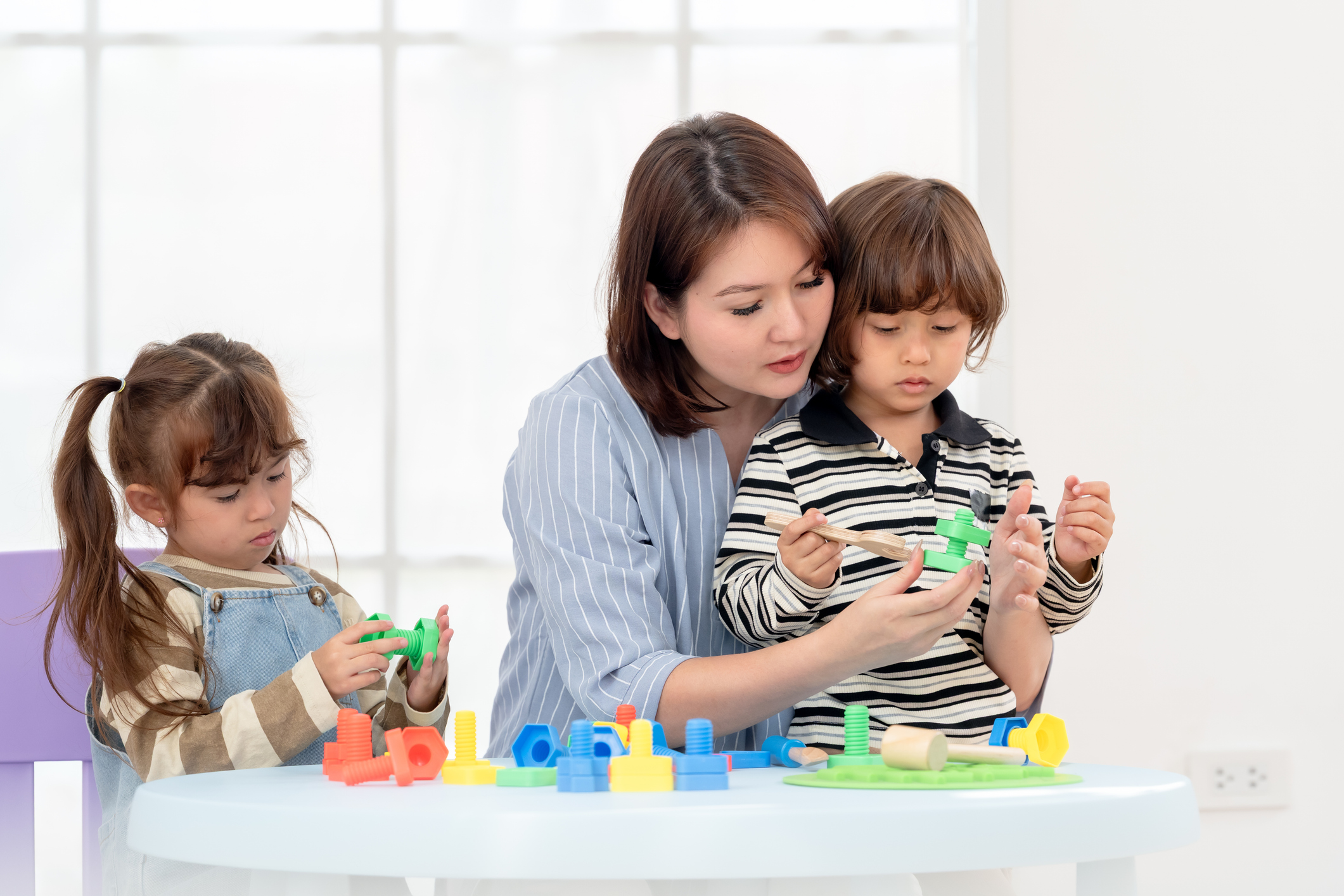
Play naturally creates opportunities for children to practice patience. Between the ages of three and five, children make significant progress in learning how to share, cooperate, and take turns with others.
Here are three ideas to help children practice turn-taking during play.
7. Use Timers
Visual timers or countdowns help children understand when their turn will begin and end.
Whether they're waiting for the swing, a favourite toy, or a game, seeing time pass can reduce uncertainty and frustration.
8. Offer Choices While They Wait
Waiting doesn't have to feel like doing nothing. Invite your child to choose another activity while they wait, such as:
-
Singing a favourite song
-
Stretching
-
Looking for shapes or colours nearby
-
Playing a quick game together
Providing choices gives children a sense of control during waiting periods.
9. Talk About Their Feelings
Waiting can bring up excitement, disappointment, frustration, or boredom. Encourage your child to notice and name those emotions by asking questions like:
-
"How are you feeling while you're waiting?"
-
"Is waiting feeling exciting or frustrating?"
-
"What could help make waiting a little easier?"
Helping children recognize and express their feelings gives them healthy tools for managing those emotions.
Building Patience One Turn at a Time
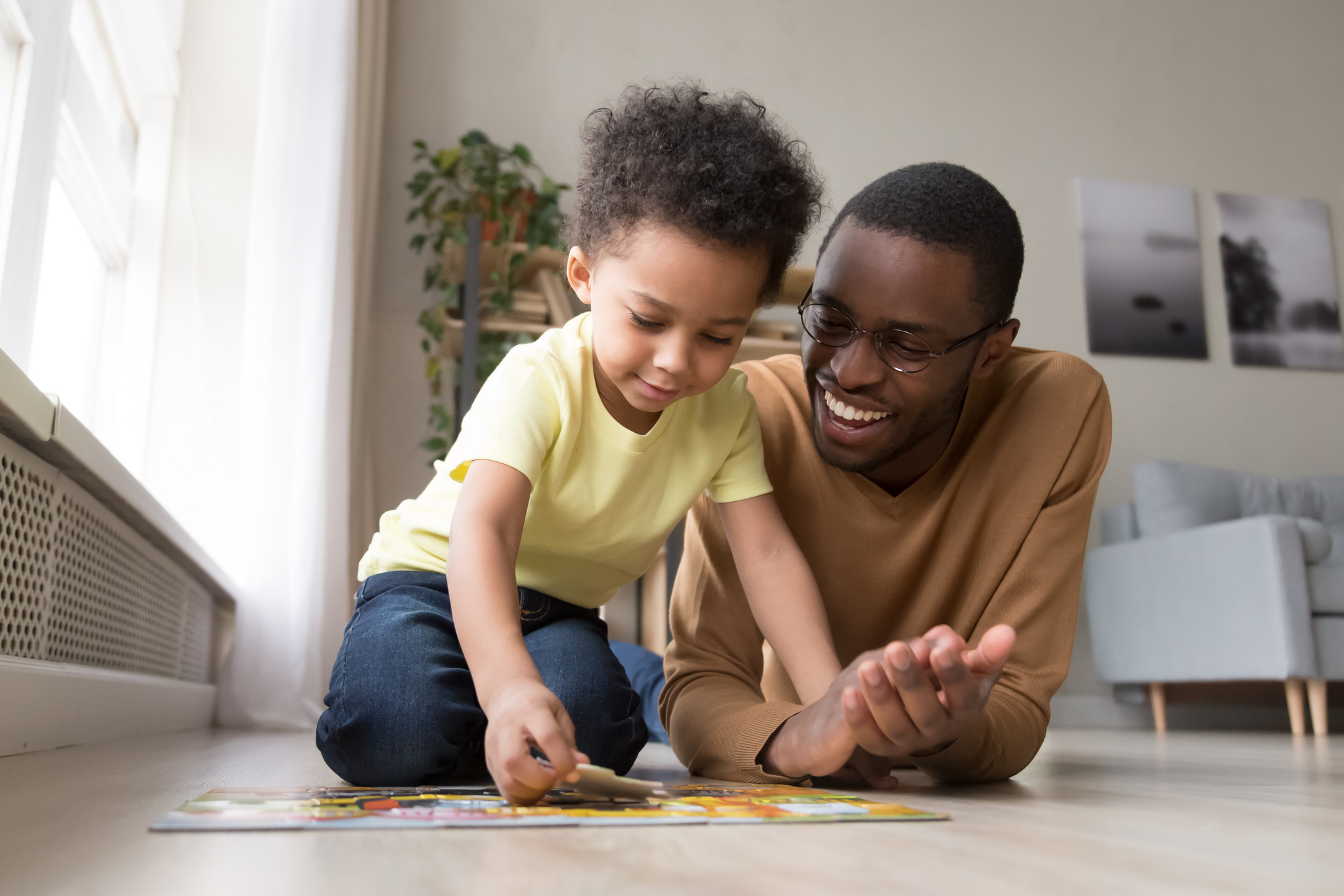
Learning to wait takes practice, and every child develops this skill at their own pace. The everyday moments that require patience, whether during conversations, waiting for attention, or playing with others, provide valuable opportunities for children to strengthen emotional regulation, cooperation, communication, and empathy.
With gentle guidance, clear expectations, and lots of encouragement, children can gradually learn that waiting their turn isn't just about being patient. It's also about respecting others, building meaningful relationships, and becoming confident, compassionate communicators.
Remember, every family is unique, and what works for one caregiver may not be the perfect fit for another. Child development is an ever-changing adventure, so feel empowered to adapt these strategies in ways that best fit your family's routines and your child's individual needs.
For more ways to support your child's social-emotional development, explore our guide to emotion recognition in children.
Continue Learning with Tiny Souls
Turn everyday moments into meaningful opportunities for social-emotional learning. Explore Tiny Souls for stories, songs, mindful moments, and playful activities designed to help young children build patience, empathy, confidence, and other important life skills.
FAQs
Why is turn-taking important for young children?
Turn-taking helps young children practice patience, self-regulation, communication, cooperation, and empathy. It also teaches them to recognize that other people have needs, ideas, and feelings that deserve attention and respect.
At what age do children learn to take turns?
Children begin experiencing the back-and-forth rhythm of turn-taking during infancy through interactions with caregivers. Toddlers and preschoolers gradually become more capable of waiting, sharing, and taking turns, although they still need frequent guidance, reminders, and practice.
How can I teach my child to wait their turn?
You can help your child wait their turn by setting clear expectations, using visual cues or timers, acknowledging their feelings, modeling patient behavior, and offering reassurance that their turn is coming. Practicing during low-pressure activities and games can also make the skill easier to understand.
What should I do when my child becomes frustrated while waiting?
Begin by acknowledging how your child feels. Let them know you understand that waiting can be difficult, then remind them when their turn will come. A visual timer, simple distraction, calming activity, or choice of something else to do can make the waiting period feel more manageable.
What are some turn-taking activities for preschoolers?
Simple board games, rolling a ball back and forth, building a tower together, taking turns adding to a drawing, sharing playground equipment, and using a talking object during conversations can all help preschoolers practice turn-taking through play.
Research Represented:
1. Ensor, R., & Hughes, C. (2008). Content or connectedness? Mother-child talk and early social understanding. Child Development, 79(1), 201-216.
2. Florez, I. R. (2011). Developing young children's self-regulation through everyday experiences. Young Children, 66(4), 46-51.
3. Garvey, C., & Berninger, G. (1981). Timing and turn taking in children's conversations. Discourse Processes, 4(1), 27-57.
4. Katan, A. (1961). Some thoughts about the role of verbalization in early childhood. The Psychoanalytic Study of the Child, 16(1), 184-188.
5. Lincoln, C. R., Russell, B. S., Donohue, E. B., & Racine, L. E. (2017). Mother-child interactions and preschoolers' emotion regulation outcomes: Nurturing autonomous emotion regulation. Journal of Child and Family Studies, 26(2), 559-573.
6. Melis, A. P., Grocke, P., Kalbitz, J., & Tomasello, M. (2016). One for you, one for me: Humans' unique turn-taking skills. Psychological Science, 27(7), 987-996.
7. Simpson, A., & Carroll, D. J. (2019). Understanding early inhibitory development: Distinguishing two ways that children use inhibitory control. Child Development, 90(5), 1459-1473.
8. Stanton-Chapman, T. L., & Snell, M. E. (2011). Promoting turn-taking skills in preschool children with disabilities: The effects of a peer-based social communication intervention. Early Childhood Research Quarterly, 26(3), 303-319.
Support Social & Emotional Development Everyday
Help your child develop essential social-emotional skills with our full library of research-backed modules, toolkits, and hundreds of pieces of content you can access anytime!
