
Emotion Recognition in Children: Building the Foundation for Empathy
Noticing how someone else is feeling is often one of the very first steps toward empathy. This important skill, known as emotion recognition, begins developing early in childhood as little ones learn to understand feelings through facial expressions, body language, voices, and gestures. As children become better at recognizing emotional cues, they gain valuable tools for understanding what others may be experiencing and how they can respond with kindness and care.
Let's explore how emotion recognition develops during early childhood and discover some fun ways to help your child notice, name, and understand the emotions they encounter every day.
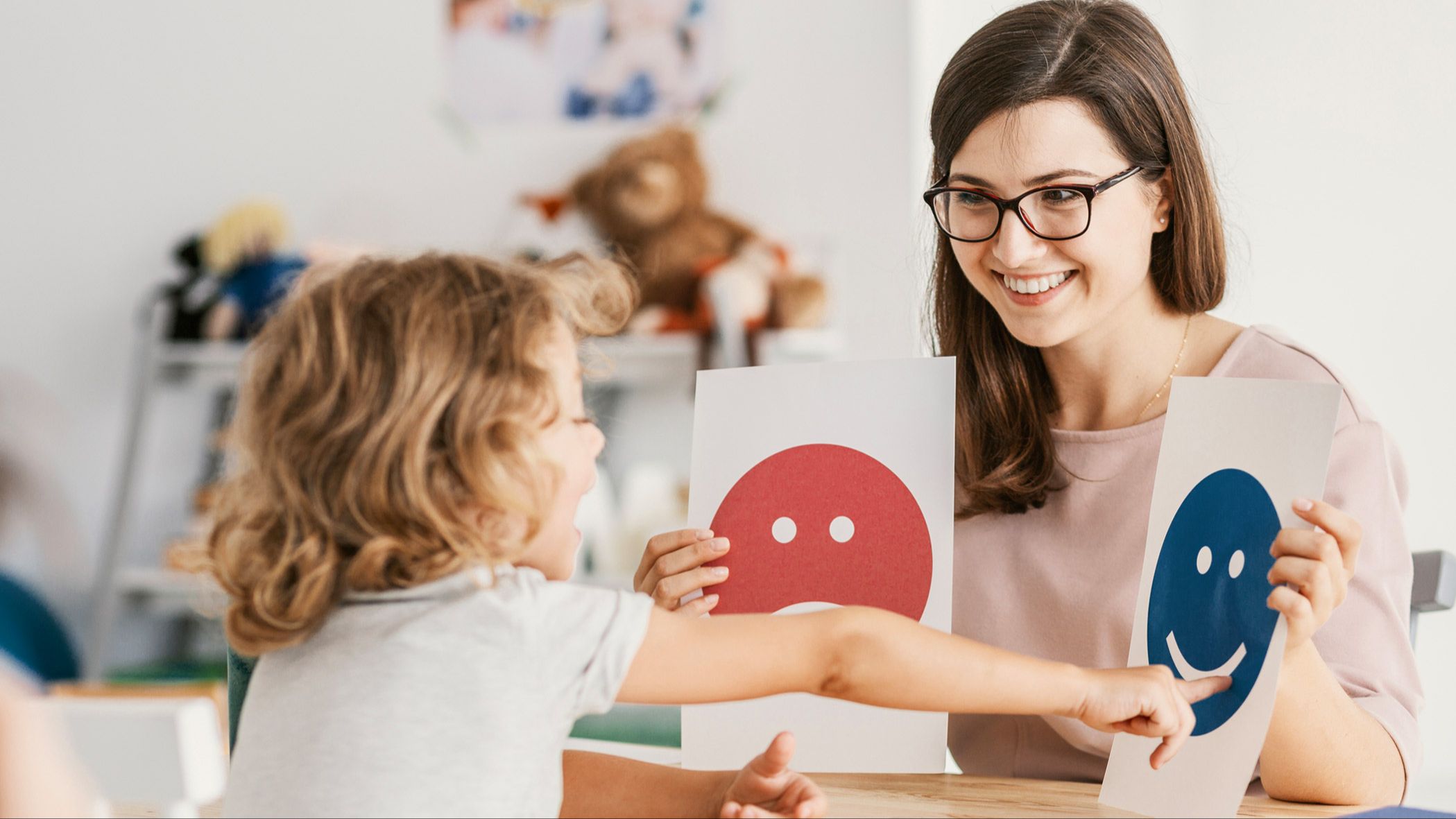
Faces: How Emotions Show Up
Our faces often tell a story before we say a single word. A furrowed brow may signal confusion or frustration, while a wide smile usually communicates happiness and excitement.
Research shows that children's ability to recognize facial expressions grows significantly during the early years. Toddlers and young preschoolers can often identify simple emotions such as happiness and sadness. As they grow, children become increasingly skilled at recognizing more complex emotions like anger, fear, and surprise.
Try These Face-Focused Activities
😀 Emotion Mirror Game
Call out different emotions and have your child make a matching facial expression. Talk about the clues they are using—raised eyebrows, a smile, or a frown.
🎭 Switch Roles
Let your child choose the emotion while you make the face. Ask them to identify the facial features that helped them figure it out.
🔎 Storytime Feelings Detective
While reading a book or watching a favorite show like Zip and the Tiny Sprouts, pause and ask:
"How do you think that character feels?"
⚡ Rapid-Fire Emotions
Describe different situations and have your child quickly change their facial expression to match how they would feel in each scenario.

Bodies: Emotion in Motion
Feelings don't just show up on our faces, they can be expressed through our entire body. We may cross our arms when frustrated, slump our shoulders when disappointed, or bounce with excitement when we're happy.
Young children are surprisingly observant of these physical cues. Research suggests that by age three, many children can connect basic body positions with emotions like sadness. As they approach kindergarten age, they often become better at identifying more complex emotions through body language alone.
Try These Body Language Activities
🤸 Emotion Charades
Take turns acting out emotions using only your body and guessing what each person is trying to express.
🧊 Face Freeze Challenge
Show an emotion using your body while keeping your face completely neutral. Can your child still guess the feeling?
📺 Silent Show Time
Mute an episode of Zip and the Tiny Sprouts and challenge your child to identify how the characters are feeling just by watching their movements.
🕺 Lead with a Body Part
Give your child a body part and an emotion. For example:
"Lead with your forehead and show me happy!"
or
"Lead with your shoulders and show me nervous."
Voices: Feelings in Sound
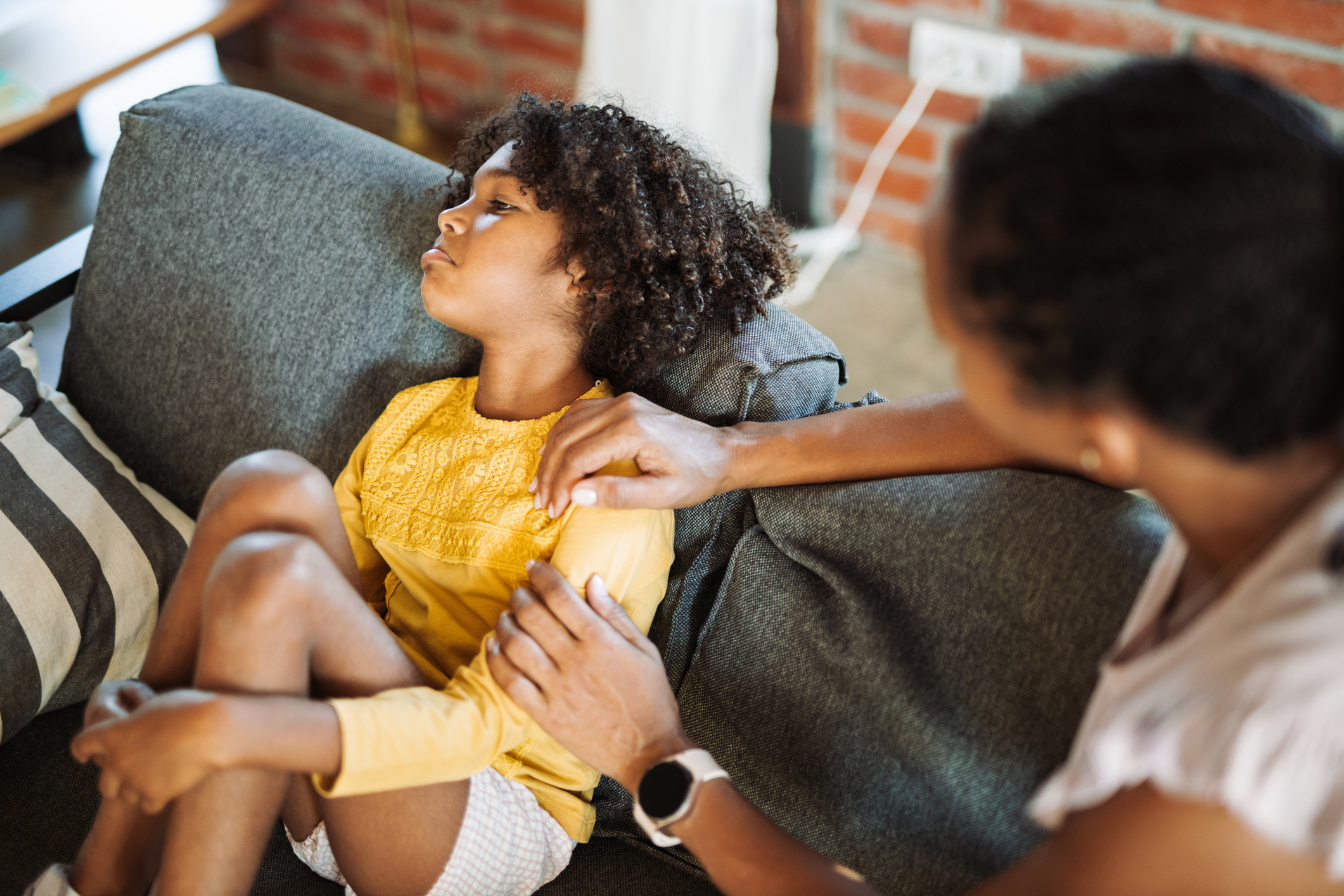
Even when we can't see someone, we can often tell how they're feeling by listening to their voice. A high-pitched voice might signal excitement, while a slower, quieter tone could suggest sadness or boredom.
Children begin paying attention to vocal cues surprisingly early. In fact, even infants can detect differences in tone of voice. By around age five, many children can recognize emotions through nonverbal sounds like laughter, crying, sighing, and gasping. Research also suggests that children who are strong at recognizing emotions in voices may show stronger self-regulation and more prosocial behavior.
Try These Listening Activities
🕵️ Tone Detective
Ask your child to close their eyes while you say the same sentence using different emotions such as happy, worried, excited, or grumpy. Have them guess which feeling they hear.
⏩ Speed It Up, Slow It Down
Add another layer by changing both your tone and your speaking speed.
🎵 Emotion Sing-Along
Sing a favorite song together several times, each time using a different emotion. Try singing it excitedly, sadly, sleepily, or proudly.
👂 Guess the Sound
Make emotional sounds such as laughing, sighing, gasping, or groaning. Ask your child to identify both the sound and the feeling behind it.

Growing Empathy One Emotion at a Time
Emotion recognition is a foundational skill that helps children build empathy, strengthen relationships, and better understand the world around them. By noticing facial expressions, body language, and vocal cues, children learn to recognize what others may be feeling and how they can respond thoughtfully.
Through playful activities and everyday conversations, parents and caregivers can help children become more confident in identifying emotions and connecting with others.
To help grow confidence and empathy, check out our blog post on 5 key communication skills that help children build friendships.
Remember, every child develops at their own pace. Caregiving is an ever-changing adventure, so feel free to adapt these ideas in ways that fit your family's unique personalities, interests, and routines. Small moments of connection today can help lay the groundwork for empathy and understanding for years to come.
Frequently Asked Questions
What is emotion recognition in children?
Emotion recognition is the ability to identify and understand emotions by observing facial expressions, body language, tone of voice, and other social cues. As children develop this skill, they become better equipped to understand their own feelings and recognize how others may be feeling.
Why is emotion recognition important for empathy?
Emotion recognition is one of the building blocks of empathy. When children can identify emotions in others, they are better able to understand different perspectives, respond with kindness, and develop positive social relationships.
How can parents and educators help children develop emotion recognition?
Parents, caregivers, and educators can support emotion recognition by talking about feelings, modeling emotional language, reading stories together, discussing characters' emotions, and engaging children in activities that encourage them to notice facial expressions, body language, and vocal cues.
At what age do children begin recognizing emotions?
Children begin recognizing basic emotions during infancy and continue developing these skills throughout early childhood. Toddlers can often identify simple emotions like happiness and sadness, while preschoolers gradually become more skilled at recognizing complex emotions such as frustration, fear, surprise, and pride.
Research Represented:
1. Monroy, M., Castro, V. K., Ebo, R., Dixson, D. D., John, O. P., & Keltner, D. (2025). The role of emotion recognition in empathy. Emotion (Washington, D.C.)
2. Simon, P., & Nader-Grosbois, N. (2021). Preschoolers' empathy profiles and their social adjustment. Frontiers in Psychology, 12, 782500.
3. Rodger, H., Vizioli, L., Ouyang, X., & Caldara, R. (2015). Mapping the development of facial expression recognition. Developmental Science, 18(6), 926-939.
4. Naumann, S., Bayer, M., & Dziobek, I. (2022). Preschoolers’ sensitivity to negative and positive emotional facial expressions: an ERP study. Frontiers in Psychology, 13, 828066.
5. Witkower, Z., Tracy, J. L., Pun, A., & Baron, A. S. (2021). Can children recognize bodily expressions of emotion?. Journal of Nonverbal Behavior, 45(4), 505-518.
6. Parker, A. E., Mathis, E. T., & Kupersmidt, J. B. (2013). How is this child feeling? Preschool-aged children's ability to recognize emotion in faces and body poses. Early Education & Development, 24(2), 188-211.
7. Kallay, J. E., Dilley, L., & Redford, M. A. (2022). Prosodic development during the early school-age years. Journal of Speech, Language, and Hearing Research, 65(11), 4025-4046.
8. Grossmann, T. (2010). The development of emotion perception in face and voice during infancy. Restorative Neurology and Neuroscience, 28(2), 219-236.
9. Grosbras, M. H., Ross, P. D., & Belin, P. (2018). Categorical emotion recognition from voice improves during childhood and adolescence. Scientific Reports, 8(1), 14791.
10. Neves, L., Martins, M., Correia, A. I., Castro, S. L., & Lima, C. F. (2021). Associations between vocal emotion recognition and socio-emotional adjustment in children. Royal Society Open Science, 8(11), 211412.
Support Social & Emotional Development Everyday
Help your child develop essential social-emotional skills with our full library of research-backed modules, toolkits, and hundreds of pieces of content you can access anytime!
