

How to Build Respect in Everyday Moments: A Simple Daily Routine for Young Children
Helping your child learn respect often takes time, and one way you can build it is by weaving small moments of practice into daily life. These consistent moments may also help them understand how to show respect in different ways, toward themselves, others, and their surroundings. And when you and others regularly serve as role models in these daily routines, research suggests it can help children develop strong social-emotional skills like empathy and emotional control.1
This article offers one example of a respect routine that you can use and/or adapt for your family to help make respect a part of simple daily practices with your little one.
Morning: Respect for Self and Home
To start the day, these routines can help children show respect for themselves and their immediate environment.
-
Start with self-care:
Begin the day by helping your little one with self-care tasks like brushing teeth, washing their face, and getting dressed, offering help when needed. Doing these activities can not only be a simple part of their morning routine, but also help your child learn that taking care of themselves is a way to show respect for their own body and grow their independence.2,3 -
Go for the “good mornings”:
Invite your little one to say “good morning” or use their own way to greet everyone in the home when they first wake up, and celebrate their efforts, no matter how big or small. Practicing this every day can help your child understand the importance of noticing and acknowledging others, supporting their growing social and relationship skills.2,4 -
Polish up personal spaces:
Start the process of cleaning their room or making their bed together, then encourage your child to finish on their own. Research suggests that tidying up can help children understand how their actions affect their environment, teaching them the value of respect for their personal space.5
Midday: Respect for Others
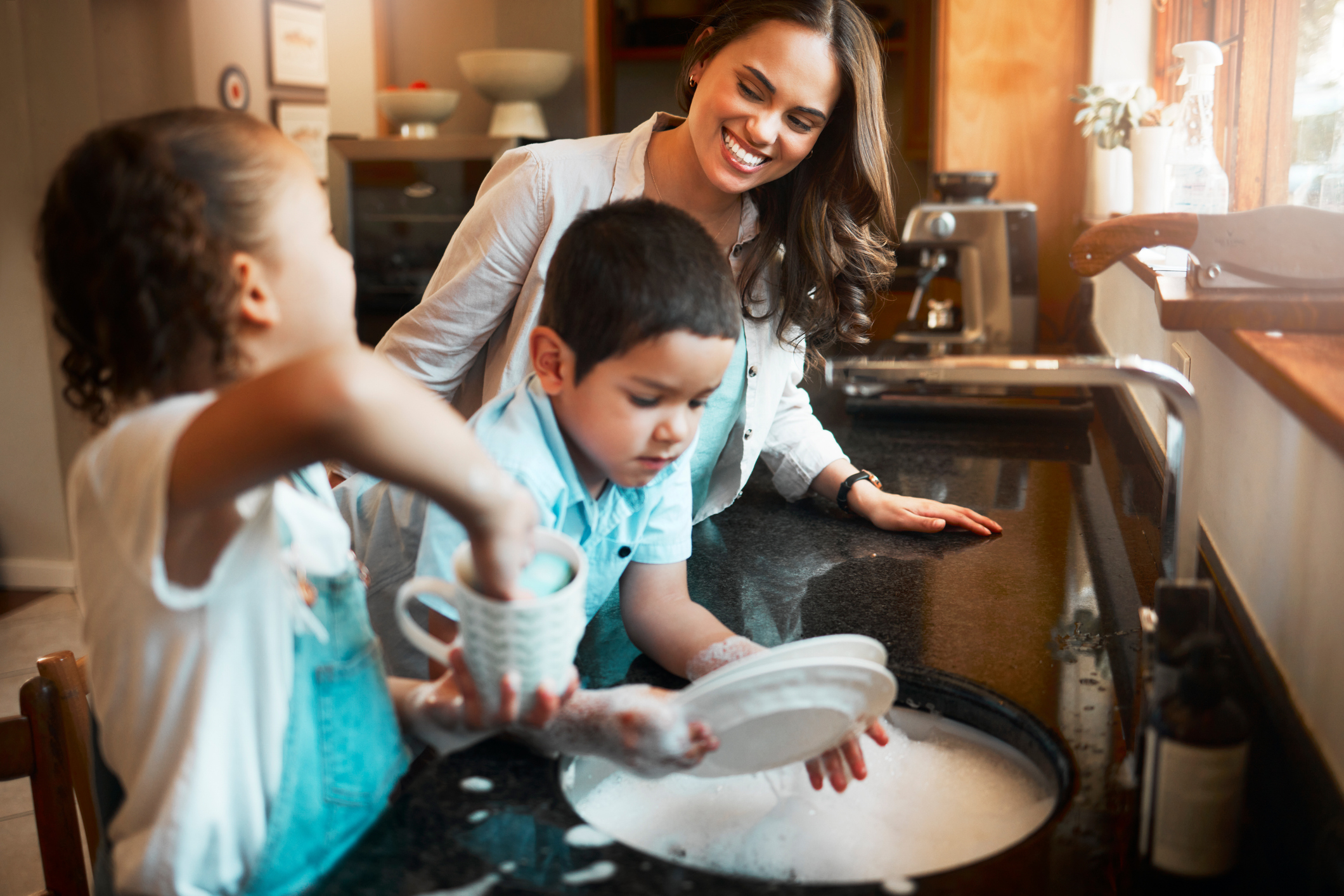
As your child moves into the afternoon, it can be a great opportunity to include activities that encourage showing respect to others during play, learning, and other shared tasks.
-
Find fun while taking turns:
Add some fun to the routine by playing turn-taking games or sharing toys with your child, helping them wait and let others participate to the best of their abilities. Research suggests that taking turns, even though it often takes time to develop, supports an understanding of fairness, empathy, and cooperation, all of which are important for building respectful relationships.2,7 -
Cheer on family chores:
Like cleaning their room in the morning, invite your child to help with or even take the lead on household chores such as setting the table or tidying shared spaces. When children see others sharing responsibilities with them, they can begin to understand that their contributions matter, which helps nurture respect for both shared spaces and the people who use them.2,4,5 -
Create time for polite communication:
Try setting aside time in your child’s routine to help them work on listening and using respectful manners, such as saying “please” and “thank you.” Regularly practicing these skills with you may support how children learn to express gratitude and respect in their communication.2,6
Evening and Bedtime: Respect for Reflection and Rest
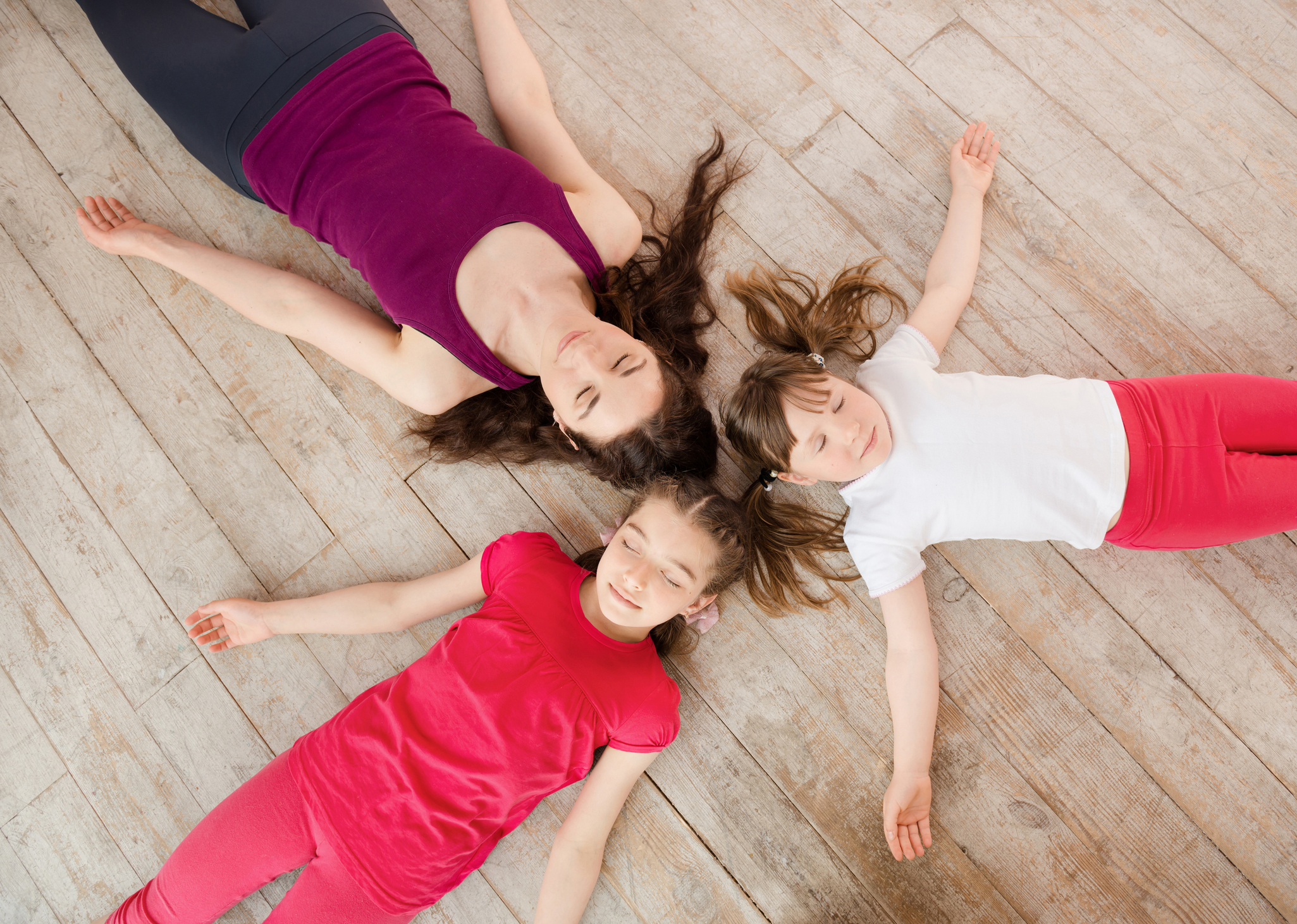
End the day helping your child show respect by reflecting on their day and respecting their need for rest.
-
Reflect before rest:
After getting ready for bed, take a minute or two to reflect on, or let your child share, at least one time someone was kind or helpful and one time your child was, celebrating both moments together. Thinking about these moments can help your little one understand what it means to respect others and their own actions, even after the fact.7,8 -
Have a moment of mindfulness:
With your child, take a few deep breaths, say affirmations like “I respect myself” or “My feelings matter,” or try a short mindfulness moment on the Tiny Souls App. Doing these calming activities regularly can help your little one practice self-respect and learn to manage their feelings at bedtime and throughout the day.4,8,9 -
Plan together for more practice:
As one of the last things before bedtime, offer your child choices of acts of respect they can try tomorrow, or let them come up with one on their own. This may help them feel independent in how they practice respect and encourage them to continue building these habits over time.10
🌱 Remember, every family is unique, and what works for one caregiver may not be the perfect fit for another. Caregiving is an ever-changing adventure, so feel empowered to adapt strategies that resonate best in this resource with your own style and family dynamics.
Research Represented:
1. Rashid, T. (2010). Development of social skills among children at elementary level. Bulletin of Education and Research, 32(1).
2. Spagnola, M., & Fiese, B. H. (2007). Family routines and rituals: A context for development in the lives of young children. Infants and Young Children, 20(4), 284–299. https://doi.org/10.1097/01.IYC.0000290352.32170.5a
3. Selman, S. B., & Dilworth‐Bart, J. E. (2024). Routines and child development: A systematic review. Journal of Family Theory & Review, 16(2), 272–328. https://doi.org/10.1111/jftr.12549
4. Hickey, C. R., Reeve, S. A., Reeve, K. F., & Deshais, M. A. (2023). Greeting skills: A systematic review of the literature. Behavioral Interventions, 38(2), 456–476. https://doi.org/10.1002/bin.1913
5. White, E. M., DeBoer, M. D., & Scharf, R. J. (2019). Associations between household chores and childhood self-competency. Journal of Developmental and Behavioral Pediatrics, 40(3), 176–182. https://doi.org/10.1097/DBP.0000000000000637
6. Midgette, A. J., Coffman, J. L., & Hussong, A. M. (2022). What parents and children say when talking about children’s gratitude: A thematic analysis. Journal of Child and Family Studies, 31(5), 1261–1275. https://doi.org/10.1007/s10826-021-02222-9
7. Perkins, N., Smith, P., & Chadwick, P. (2022). Young children’s conceptualisations of kindness: A thematic analysis. Frontiers in Psychology, 13, Article 909613. https://doi.org/10.3389/fpsyg.2022.909613
8. Gunderson, E. A., Gripshover, S. J., Romero, C., Dweck, C. S., Goldin-Meadow, S., & Levine, S. C. (2013). Parent praise to 1- to 3-year-olds predicts children’s motivational frameworks 5 years later. Child Development, 84(5), 1526–1541. https://doi.org/10.1111/cdev.12064
9. Newman, L. J., Stewart, S. E., Freeman, N. C., & Thompson, G. (2022). A systematic review of music interventions to support parent–child attachment. The Journal of Music Therapy, 59(4), 430–459. https://doi.org/10.1093/jmt/thac012
10. Domitrovich, C. E., Durlak, J. A., Staley, K. C., & Weissberg, R. P. (2017). Social-emotional competence: An essential factor for promoting positive adjustment and reducing risk in school children. Child Development, 88(2), 408–416. https://doi.org/10.111
Support Social & Emotional Development Everyday
Help your child develop essential social-emotional skills with our full library of research-backed modules, toolkits, and hundreds of pieces of content you can access anytime!
