
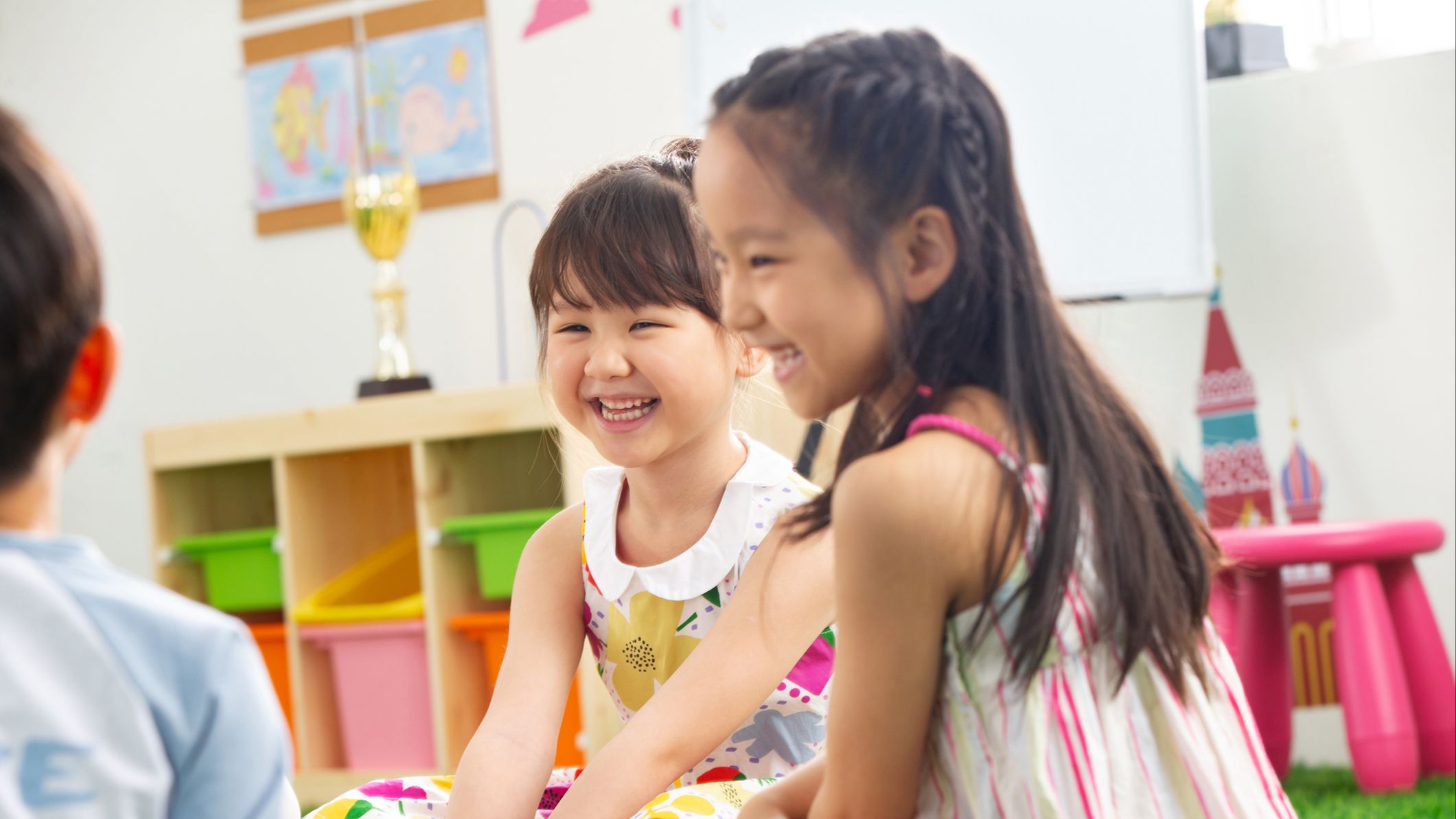
5 Early Communication Skills That Help Children Build Friendships
Research suggests that the earliest building blocks of friendship begin long before children are confidently chatting with peers. Early communication skills such as turn-taking, shared attention, gestures, and responsive communication can play an important role in helping young children develop language, confidence, and meaningful social connections.
When little ones practice these foundational communication skills with trusted caregivers, they often begin learning how to express themselves, understand others, and participate in the back-and-forth interactions that support friendship development over time.
Here are five research-informed ways to support your child’s communication skills and social-emotional development in everyday life:
1. Use Shared Language to Build Connection and Belonging
Shared language includes familiar words, playful phrases, or special expressions that hold meaning between you and the children in your care. This could be a nickname for a toy, a favorite saying, or familiar storybook language.
Using shared language may help children feel a sense of belonging and strengthen social bonds. Familiar language can also support attention and engagement, which are important when children begin connecting with peers and building friendships.
Try it during:
- Playtime: Use your child’s made-up names for toys or characters.
- Bedtime: Read stories with mostly familiar words while gradually introducing new vocabulary.
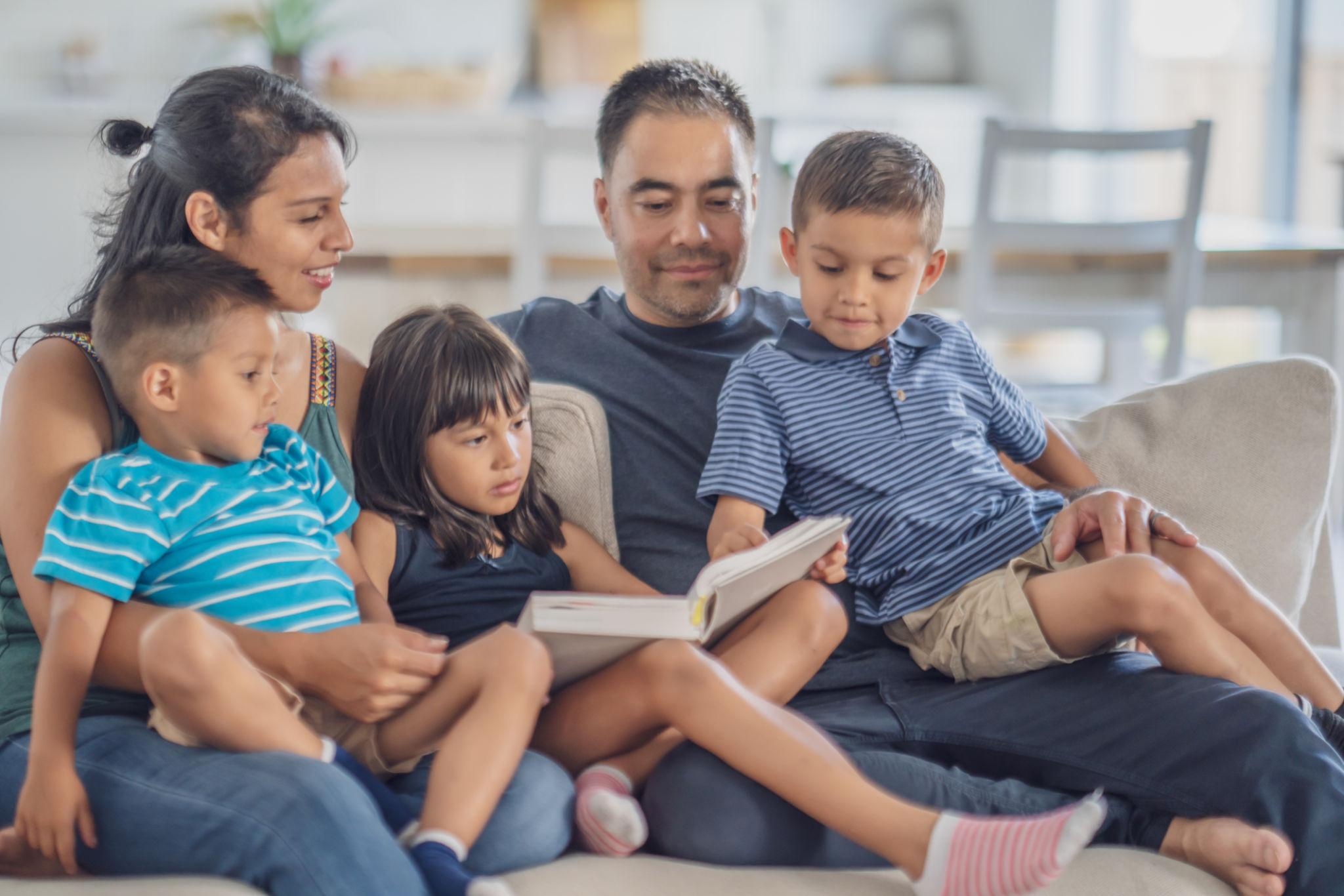
2. Practice Joint Attention Through Shared Experiences
When you notice what your child is looking at or interested in and join them in that moment, you’re practicing shared or joint attention.
Joint attention is strongly connected to language development because it helps children connect words to experiences. It can also support social engagement by encouraging children to share interests with others, making it an important part of early friendship.
Try it during:
- Screen time: Talk about what you’re both watching together.
- Outings or car rides: Point out interesting sights, then let your child guide the conversation.
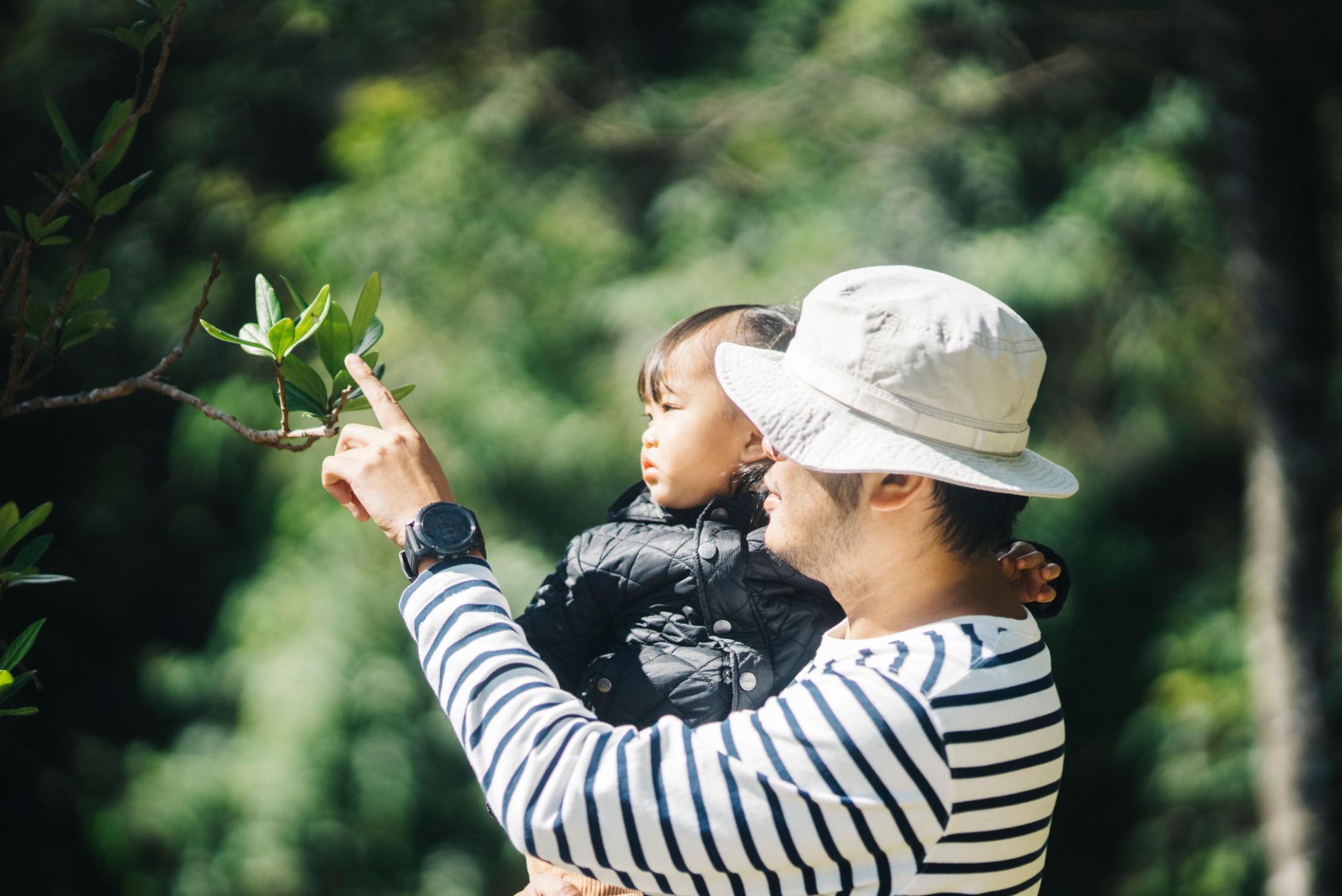
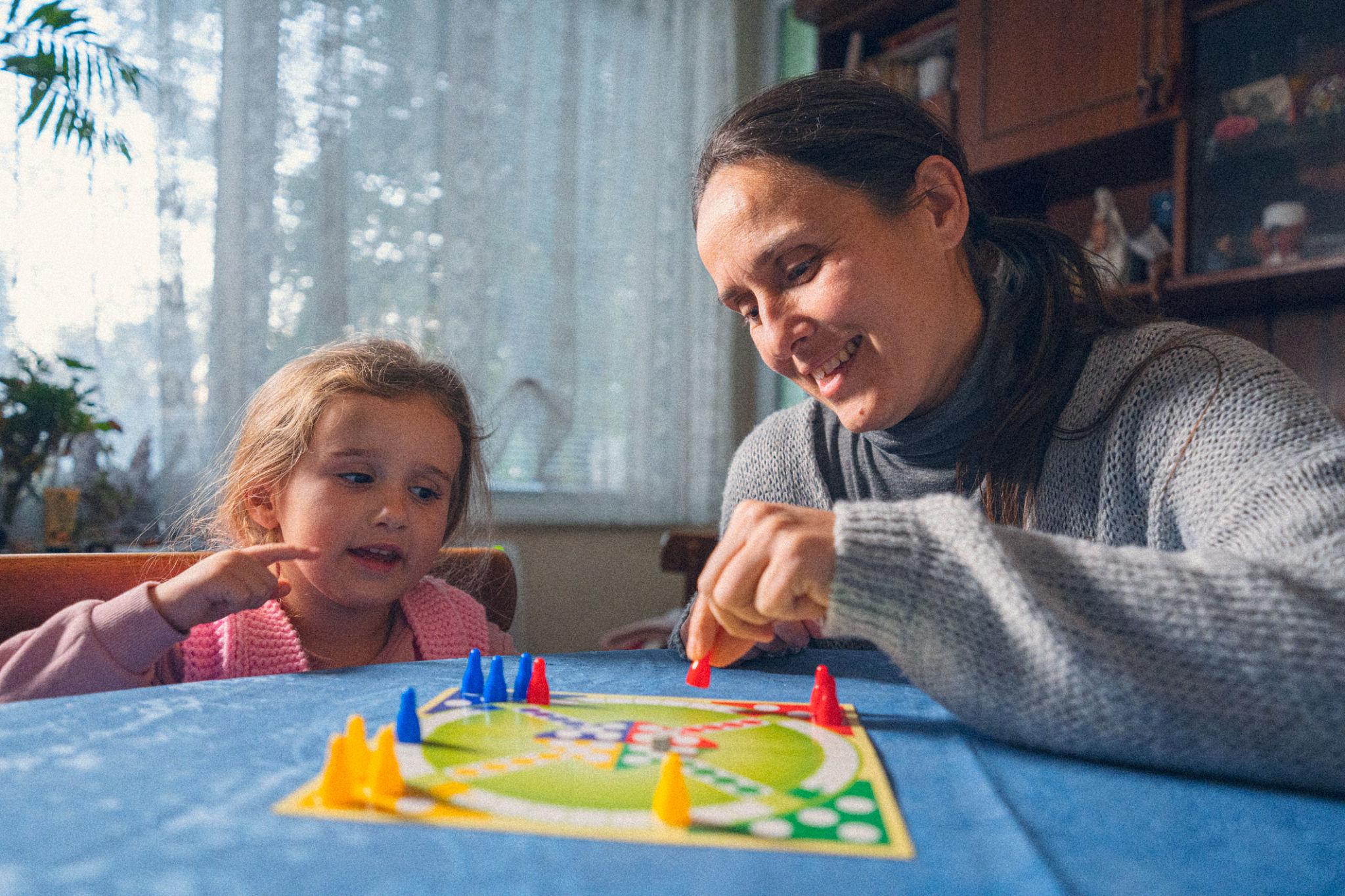
3. Encourage Turn-Taking to Strengthen Communication Skills
Back-and-forth exchanges, whether through sounds, gestures, or words, help children understand the rhythm of communication and social interaction.
Research shows that conversational turn-taking can support vocabulary growth and broader communication development. These “ping-pong” style interactions may also help children practice listening and responding, both of which are valuable friendship skills.
Try it during:
- Mealtime: Model waiting, listening, and taking turns speaking.
- Getting ready: Take turns naming steps while dressing or packing.
4. Pair Words With Gestures and Facial Expressions
Children often communicate before they fully speak by using gestures like pointing, waving, or facial expressions.
Studies suggest that early gesture use is linked to later communication growth. Understanding and using nonverbal communication can also help children connect socially and engage with peers in multiple ways.
Try it during:
- Pretend play: Act out actions with expressive faces and body language.
- Music time: Add gestures to songs to strengthen understanding.
5. Ask Open-Ended Questions to Encourage Conversation
Open-ended questions invite children to share ideas, feelings, and curiosity without worrying about a “right” answer.
This type of communication can encourage cognitive growth while also helping children practice self-expression and meaningful social interaction.
Try it during:
- Arts and crafts: Ask, “What made you choose that color?”
- Waiting times: Ask about their favorite game or what they’re excited about.

Every Family Communicates Differently
Each child develops communication skills in their own way, and every family has unique rhythms and styles. These strategies are not about perfection, they’re about creating opportunities for connection, responsiveness, and shared experiences that can support communication growth over time.
By weaving these simple communication activities into daily routines, caregivers can help children build the confidence, language skills, and social awareness that support both language development and early friendships.
Strong communication skills are one of the foundations of healthy relationships. Through everyday conversations, shared attention, gestures, and turn-taking, children can begin developing the tools they need to connect with others and build meaningful friendships.
Frequently Asked Questions
How do communication skills help children make friends?
Communication skills help children express their thoughts, understand others, take turns in conversations, and build social connections. These abilities support positive peer interactions and friendship development.
What communication skills should toddlers learn first?
Some of the earliest communication skills include joint attention, gestures, turn-taking, listening, and responding to others. These foundational skills often develop before children become fluent speakers.
How can parents support communication development at home?
Parents and caregivers can support communication development by engaging in back-and-forth conversations, following their child's interests, reading together, using gestures, and asking open-ended questions throughout the day.
Why is turn-taking important for young children?
Turn-taking teaches children how conversations work. It helps them practice listening, responding, and cooperating with others, which are important skills for both communication and friendships.
Research Represented:
Curenton, S. M., & Granda, C. (2021). Building blocks of infant-toddler conversation skills: Using the Conversation Compass© to drive innovation in Early Head Start classroom conversations. Early Child Development and Care, 191(5), 789–799.
Alcock, S. (2013). Toddlers' complex communication: Playfulness from a secure base. Contemporary Issues in Early Childhood, 14(2), 179–190.
Farrant, B., Maybery, M., & Fletcher, J. (2011). Socio-emotional engagement, joint attention, imitation, and conversation skill: Analysis in typical development and specific language impairment. First Language, 31(1), 23–46.
Baldwin, D. A. (1995). Understanding the link between joint attention and language. In C. Moore & P. J. Dunham (Eds.), Joint attention: Its origins and role in development (pp. 131–158). Hillsdale, NJ: Lawrence Erlbaum Associates.
Afshordi, N. (2019). Children's inferences about friendship and shared preferences based on reported information. Child Development, 90(3), 719–727.
Donnelly, S., & Kidd, E. (2021). The longitudinal relationship between conversational turn-taking and vocabulary growth in early language development. Child Development, 92(2), 609–625.
Colonnesi, C., Stams, G. J. J., Koster, I., & Noom, M. J. (2010). The relation between pointing and language development: A meta-analysis. Developmental Review, 30(4), 352–366.
Support Social & Emotional Development Everyday
Help your child develop essential social-emotional skills with our full library of research-backed modules, toolkits, and hundreds of pieces of content you can access anytime!
