
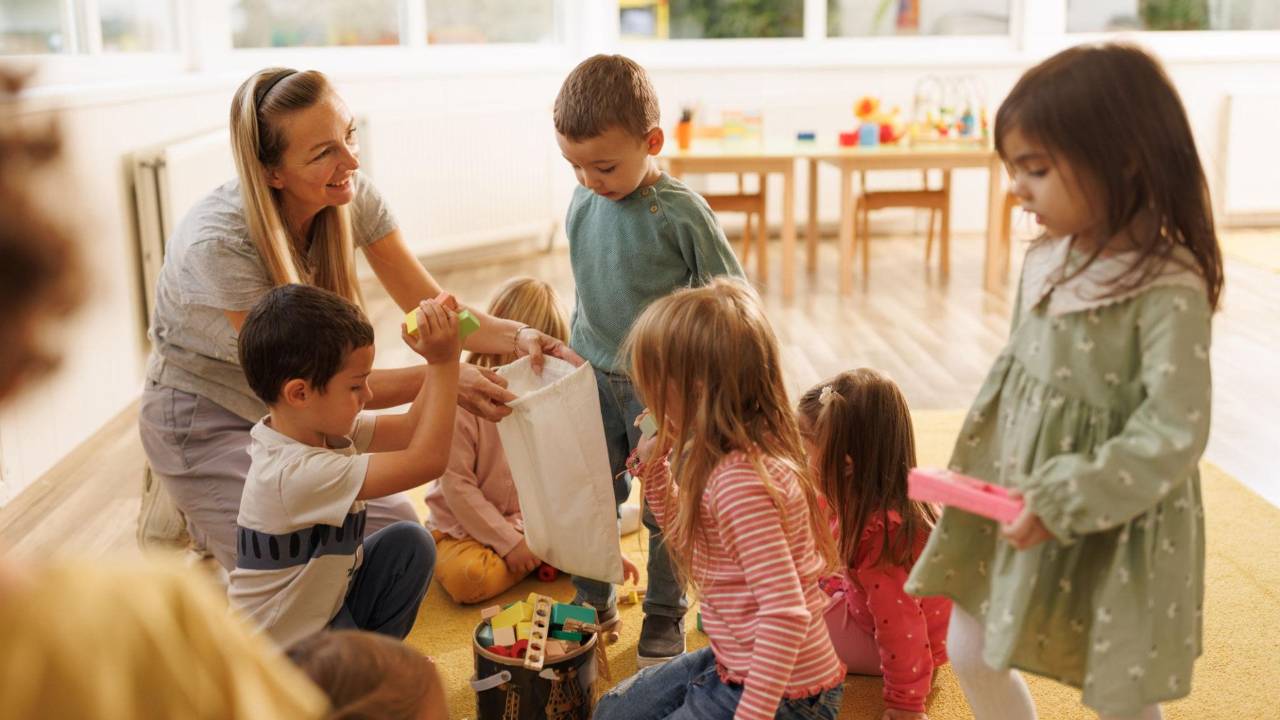
4 Ways to Build Flexibility Through Everyday Routines
Young children often find comfort in knowing what comes next. Getting dressed in the morning, sitting down for snack, cleaning up after play, and reading a story before bed can all become familiar touchpoints that help make the day feel predictable.
Research suggests that consistent routines can support positive outcomes for young children, including school engagement and social skills.1,2 But having a routine doesn’t mean every part of the day needs to happen exactly the same way every time.
In fact, familiar routines can be wonderful places to practice flexibility.
By introducing small choices and gentle changes within routines children already know, parents, caregivers, and educators can help children discover that change doesn’t always have to feel overwhelming. Sometimes, it can even be fun.
Why Is Flexibility Important for Young Children?
Flexibility is the ability to adjust when something changes, consider another way of doing something, or move from one idea or activity to another.
For a young child, that might look like:
- Choosing a different cup when their favorite one isn’t available
- Changing the order they get ready in the morning
- Moving to a new activity at school
- Playing a familiar game in a different way
- Trying another solution when their first idea doesn’t work
These may seem like little moments, but they give children opportunities to experience change in manageable ways.
Research on classroom transitions also highlights the value of supporting children as they move between familiar routines.3 Rather than waiting for an unexpected change to happen, adults can create small, low-pressure opportunities for children to practice being flexible throughout the day.
Predictability and Flexibility Can Work Together
Helping children become more flexible doesn’t mean getting rid of routines.
Think of the routine as the familiar framework and flexibility as the little choices and changes that can happen within it.
For example, snack might still happen at the same time every day, but children could choose between two snacks. A classroom might always have story time after lunch, but children could help choose which book to read. Bedtime can still include pajamas, brushing teeth, and a story, while your child decides which happens first.
The overall routine remains recognizable, while something small changes.
Here are four everyday routines where parents, caregivers, and educators can begin.
1. Getting Ready: Let Children Make Simple Choices
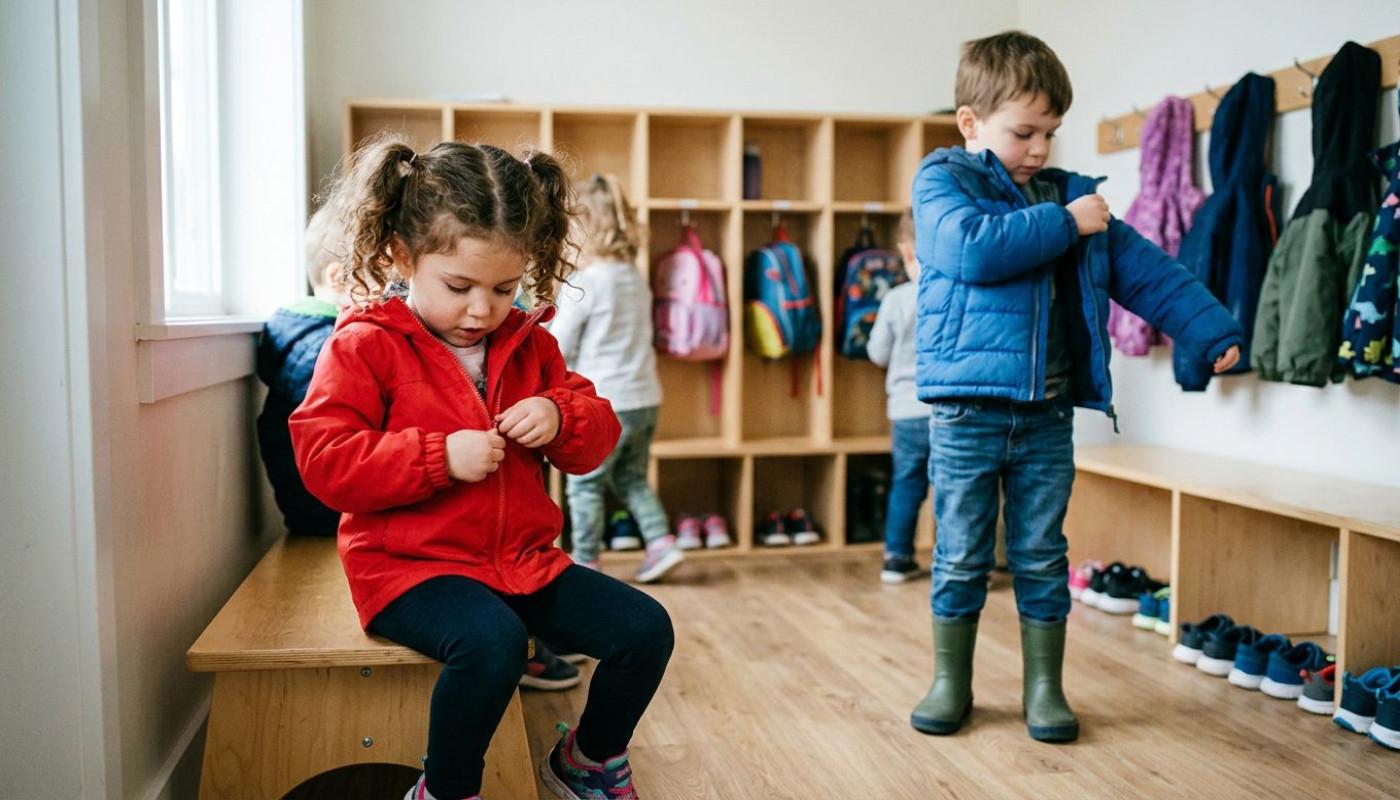
Getting dressed is a familiar routine for many children, making it a natural opportunity to introduce choice. Research suggests that having opportunities to make choices can play an important role in the development of executive function skills.4
For Ages 2–3
Keep choices simple. Rather than opening the entire closet, offer two acceptable options:
- “Do you want the blue shirt or the striped shirt?”
- “Should we put on your shirt or your pants first?”
The routine is still familiar, but your child gets to decide one small part of how it happens.
For Ages 4–5
Older preschoolers may be ready for a little more independence. Let them choose an outfit themselves or experiment with changing the usual order:
- “You get to choose your outfit today.”
- “Yesterday we put our socks on first. What should we put on first today?”
Educators can try the same idea with routines like getting ready to go outside. Children might choose whether to put on their coat or shoes first, for example.
2. Snack and Mealtime: Make Room for Children’s Ideas
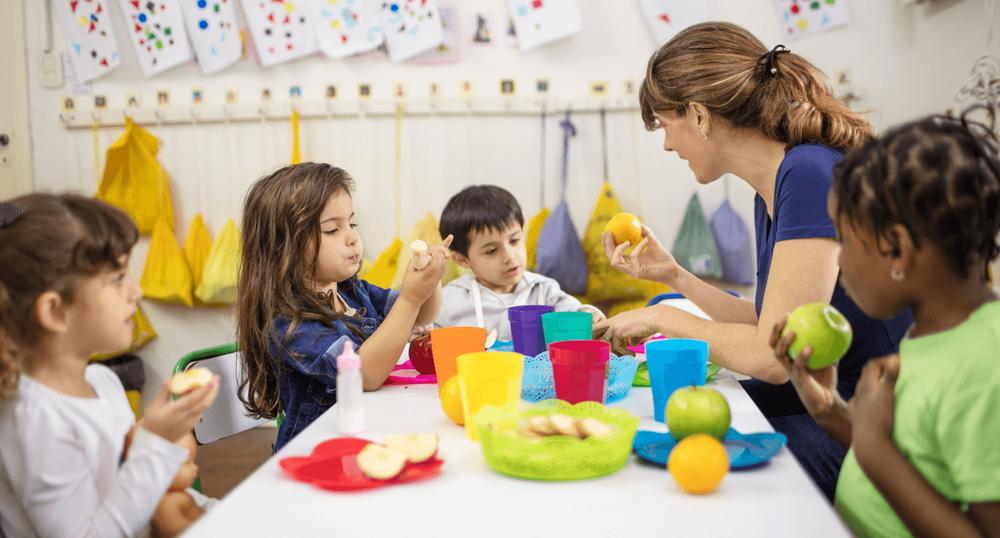
Meals and snacks are another predictable part of the day. They often happen at similar times, in familiar places, and with familiar expectations.
Research suggests that children’s active participation in mealtime decisions can encourage curiosity and cooperation.5 That makes snack and mealtime another natural place to introduce small choices.
For Ages 2–3
Try offering two options:
- “Would you like apple slices or yogurt?”
- “Would you like the red cup or the yellow cup?”
You can also occasionally change where snack happens. At home, perhaps you have a picnic outside. In an early learning setting, children might have a special snack in another part of the classroom or outdoors.
Talk about the change as it happens:
“We usually eat here, but today we’re trying somewhere different!”
For Ages 4–5
Give children opportunities to contribute their own ideas. If you’re planning a snack, for example, let them choose one part of it.
“We’re having crackers, strawberries, and cheese. You can choose one thing you’d like to switch. What should we have instead?”
In a classroom, educators might invite children to vote between two snack options or help choose something special for an upcoming meal.
The goal isn’t to give children control over every decision. It’s to show them that sometimes there can be more than one way to do something.
3. Classroom Transitions: Practice Doing Things Differently
For educators, transitions offer opportunities to practice flexibility throughout the day.
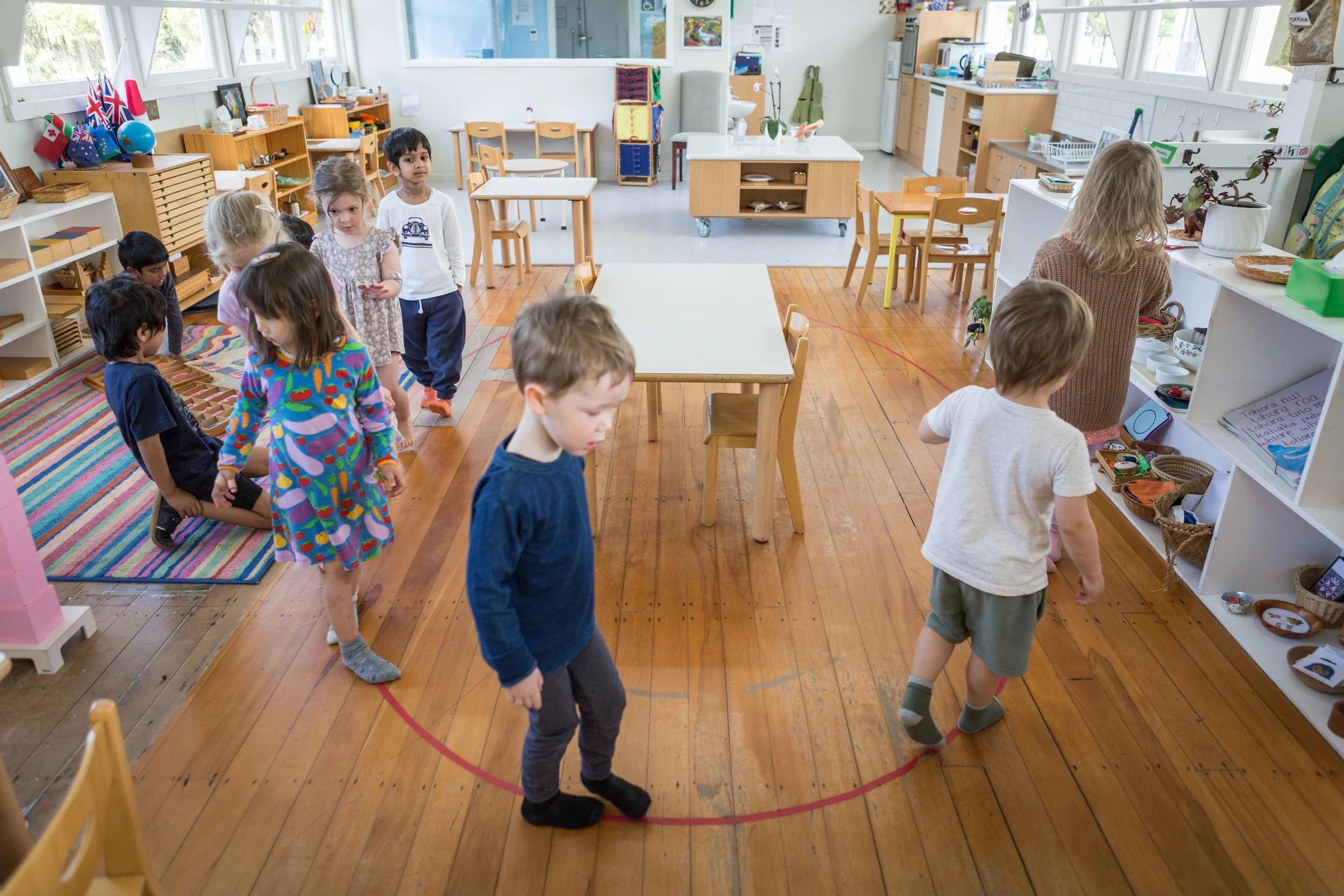
Children may become familiar with moving from free play to cleanup, circle time to outdoor play, or lunch to rest time. Keeping the overall transition predictable can be helpful, while occasionally changing a small part can encourage flexible thinking.
For example:
- Choose a different cleanup song
- Let a child choose how the group moves to the next activity: tiptoe, march, or walk
- Change the order in which different areas of the classroom clean up
- Invite children to choose between two activities
- Ask, “What’s another way we could do this?”
When something unexpectedly changes later, educators can connect it back to these experiences:
“Our plan changed today. We’ve practiced changing our plans before. What could we try instead?”
4. Bedtime: Keep the Routine, Change the Details
Bedtime routines often include familiar steps like brushing teeth, changing into pajamas, cuddling, and reading together. Research has linked bedtime routines with children’s wellbeing and development.6
Rather than changing the entire routine, try allowing your child to shape some of its smaller details.

For Ages 2–3
Offer simple choices within the routine:
- “Would you like your red pajamas or your blue pajamas?”
- “Should we read the bear book or the dinosaur book?”
You can also point out small changes when they naturally happen:
“You have a different pillowcase tonight! It looks different, but all the other parts of bedtime are still here.”
For Ages 4–5
Let your child occasionally decide the order of their bedtime routine:
“Tonight, you’re in charge of the order. What should we do first?”
On another night, return to your regular order. Moving comfortably between the two gives your child another opportunity to experience both predictability and change.
What If a Child Doesn’t Want the Routine to Change?
Flexibility is something children are learning. A small change that feels easy to one child may feel much bigger to another.
If a child isn’t ready for a change, you don’t need to force it. Instead, try making the change smaller, offering two choices, or talking about what will stay the same.
For example:
“We’re sitting somewhere different for snack today, but we’re still having snack together just like we always do.”
Adults can also model flexibility themselves. When something doesn’t go according to plan, try narrating your response:
“Hmm, that didn’t work the way I expected. I’ll try another way.”
Children get to see that being flexible doesn’t mean ignoring disappointment or frustration. It means discovering what you can do next.
Small Changes Can Build Flexible Thinkers
You don’t need to redesign a child’s day to help them practice flexibility. Start with routines that already feel familiar and look for small opportunities to offer a choice, change the order, or try something new.
For parents, that might happen while getting dressed, eating dinner, or settling down for bed. For educators, it might happen during snack, transitions, group activities, or play.
The goal isn’t to make every routine unpredictable. It’s to help children experience an important idea: things can change, and we can figure out what to do next.
Over time, those everyday moments can give children more opportunities to practice adapting, making choices, and approaching change with curiosity.
Try It This Week
Choose one familiar routine at home or in your learning environment. Keep most of the routine the same, but invite the child to change one small part.
You might ask:
- “What could we do differently today?”
- “Which one would you like to choose?”
- “What’s another way we could do this?”
- “Our plan changed. What could we try instead?”
Keep it playful, follow the child’s cues, and remember that every child, family, and learning environment is different. Adapt these ideas in ways that feel appropriate for the children in your care.
More Support for Raising Flexible, Confident Kids
Helping children navigate change is just one part of supporting their social and emotional development. For more playful, practical ways to build flexibility and other important social-emotional skills, discover the Tiny Souls app.
Explore activities, stories, and guidance designed to help parents and educators bring social-emotional learning into everyday moments.
Explore the Tiny Souls App:
Research Represented:
- Selman, S. B., & Dilworth-Bart, J. E. (2024). Routines and child development: A systematic review. Journal of Family Theory & Review, 16(2), 272–328.
- Glynn, L. M., Davis, E. P., Luby, J. L., Baram, T. Z., & Sandman, C. A. (2021). A predictable home environment may protect child mental health during the COVID-19 pandemic. Neurobiology of Stress, 14, Article 100291. https://doi.org/10.1016/j.ynstr.2020.100291
- Banerjee, R., & Horn, E. (2013). Supporting classroom transitions between daily routines: Strategies and tips. Young Exceptional Children, 16(2), 3–14. https://doi.org/10.1177/1096250612446853
- Carlson, S. M. (2023). Let me choose: The role of choice in the development of executive function skills. Current Directions in Psychological Science, 32(3), 220–227. https://doi.org/10.1177/09637214231159052
- Glaser, V. (2019). Children’s active participation during meals in Early Childhood and Care Institutions. Childhood, 26(2), 236–249. https://doi.org/10.1177/0907568219828428
- Kitsaras, G., Goodwin, M., Allan, J., Kelly, M. P., & Pretty, I. A. (2018). Bedtime routines child wellbeing & development. BMC Public Health, 18, 1–12.
Support Social & Emotional Development Everyday
Help your child develop essential social-emotional skills with our full library of research-backed modules, toolkits, and hundreds of pieces of content you can access anytime!
